

Table of Contents
Artificial Intelligence (AI) continues to push the boundaries in app development, creating endless opportunities across industries. With the advent of specialized models and refined machine learning (ML) tools, developers now have a versatile toolkit to create powerful, market-ready apps.
The global AI market is experiencing rapid expansion, reaching over $184 billion in 2024—a significant jump of nearly $50 billion from 2023. Projections indicate that AI’s growth trajectory will continue, with the market expected to surpass $826 billion by 2030. According to Precedence Research, AI’s annual growth rate from 2024 to 2034 will be 19.1%, underscoring its vital role across industries as businesses adopt AI to improve efficiency and outcomes.
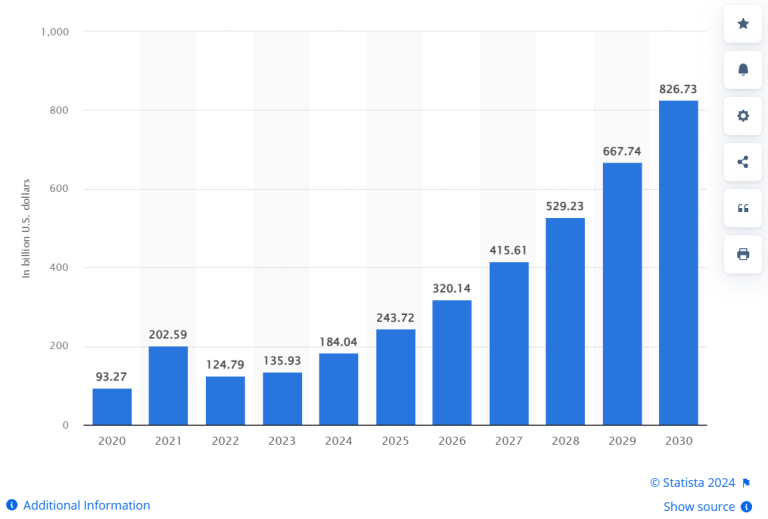
This rapid expansion underscores AI’s crucial role across industries, as businesses in healthcare, finance, and beyond adopt AI tools to drive better outcomes and maintain a competitive edge. For entrepreneurs in 2025, AI will be more than an advantage—it will be essential for achieving scalability and staying ahead in an increasingly tech-driven market.
Below, we'll explore the best AI app ideas that are both technically feasible and in line with current and emerging market trends. From personalized shopping experiences to AI-powered fitness trackers, these ideas demonstrate the limitless possibilities of AI in the field of mobile app development. These ideas are intended to inspire developers and managers alike to use the potential of AI to gain a competitive advantage.
1. Healthcare AI Apps
Remote Diagnostics and Digital Health Assistants
As remote healthcare adoption accelerates, AI-driven diagnostics and health assistants are gaining traction. By combining computer vision and NLP (Natural Language Processing), these apps can analyze medical images, recognize symptoms through patient interaction, and guide patients on care pathways. Integrating these tools with wearable health data further enhances diagnostic accuracy.
Predictive Healthcare Analytics
Using predictive analytics, healthcare apps can process historical data to forecast patient needs, identify potential outbreaks, and even alert users of upcoming health risks. These systems leverage supervised learning models, which are increasingly accurate in identifying patterns that lead to better patient care.
AI Personal Trainer App
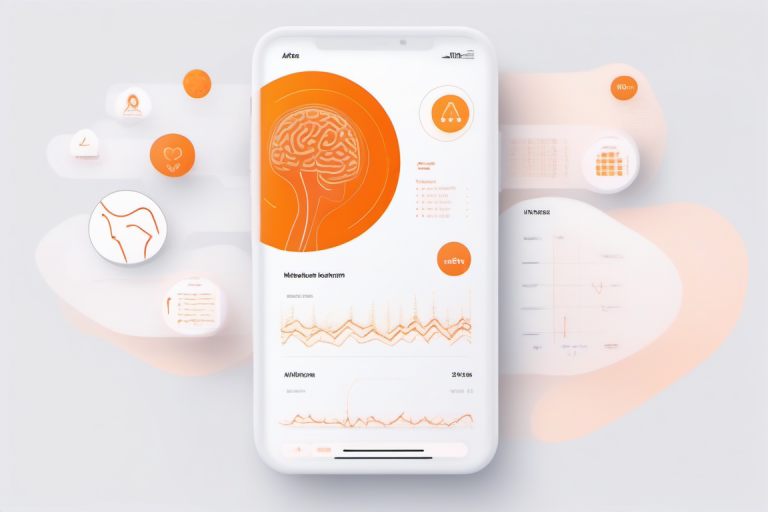
Fitness apps equipped with AI can now analyze user movements, provide real-time feedback, and create personalized fitness plans. Using computer vision, these apps track exercise form, suggest improvements, and adjust workout routines based on progress. This makes fitness guidance accessible to everyone, regardless of their location.
Calorie Counter and Meal Planner Apps
AI meal planners can assist users in managing their dietary goals by generating meal plans, tracking nutrient intake, and suggesting healthier options. Through the use of NLP, these apps can scan grocery lists, recipes, and even suggest substitutions based on dietary needs.
Market Demand
The global AI healthcare market is projected to reach $100 billion by 2025, driven by the need for cost-effective, scalable health solutions. Telemedicine and digital health are seeing rapid adoption, providing fertile ground for AI healthcare apps.
Monetization Strategies
- Subscription-Based Services: Users pay monthly or annually for Premium Health Insights.
- In-App Purchases: Offers customized health reports and individual consultations as a fee-based service.
Technical Requirements and Challenges
- Data Security: Compliance with healthcare regulations (such as HIPAA) is critical to protecting sensitive data.
- Algorithm Accuracy: The development of precise algorithms is the key to reliable diagnostics, as errors can have serious consequences.
AI-driven healthcare apps assist in diagnosis, treatment, and patient management, offering personalized and efficient healthcare solutions. Real world notable AI-based healthcare mobile apps include Noom for weight management, Buoy for symptom checking, SkinVision for skin cancer detection, Binah.ai measures various health indicators, and Sensely as a virtual nurse. These apps make healthcare more accessible, personalized, and efficient.
2. Finance and Banking AI Applications
AI-Powered Financial Planning Tools
Personal finance apps now leverage AI to analyze spending habits, identify savings opportunities, and suggest customized financial plans. These apps can integrate OpenAI's models to generate personalized advice and Codex for code auditing of financial models, making financial management both automated and secure.
AI Smart Banking App
AI in banking provides personalized financial advice, fraud detection, and automated savings suggestions. These apps leverage predictive analytics to recommend budgeting and investment options, making personal finance management more accessible to users of all backgrounds.
Vulnerability Prediction for Enhanced Security
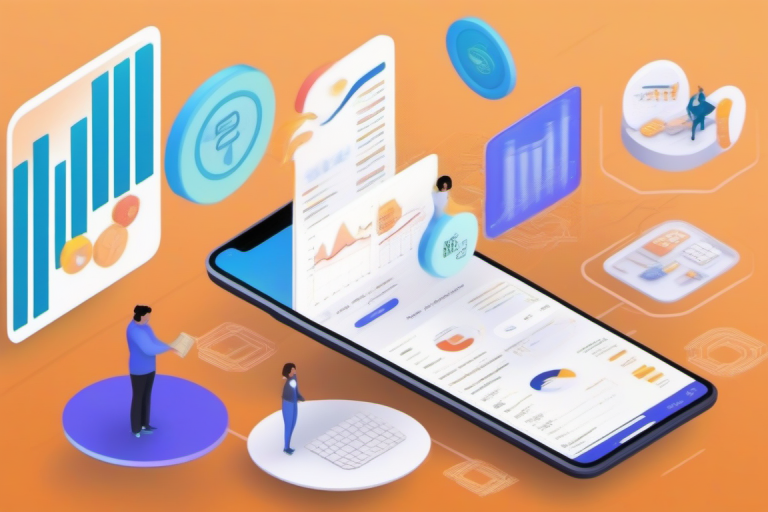
As cyber threats grow, AI-powered vulnerability prediction apps help organizations detect and address potential security weaknesses in their systems. Using machine learning, these apps analyze data patterns to flag potential risks, aiding IT teams in maintaining robust cybersecurity defenses.
Market Demand
As the fintech sector grows, AI-powered financial tools are gaining popularity. According to industry forecasts, the AI finance market is expected to grow by 30% annually.
Revenue Models
- Freemium model: Basic insights free of charge, advanced analyses as a premium function.
- Subscription model: Users subscribe to continuous access to AI-generated financial information.
Revenue Models
Apps like Wealthfront and Betterment have pioneered the AI-driven investment landscape and offer intelligent asset management at minimal fees.
3. Education and e-Learning AI Solutions
The e-learning industry is experiencing rapid expansion, with AI-driven education tools projected to grow by 45% annually due to the increasing demand for remote and personalized learning experiences. Monetization strategies for these tools include subscription plans, where users pay for access to premium content and personalized AI tutoring, and in-app purchases, offering additional resources like practice tests and custom study guides to enhance the learning experience.
Adaptive Learning Platforms
Adaptive learning platforms tailor educational experiences based on the learner's progress and preferences. By using reinforcement learning, these apps can continuously optimize lesson plans for better retention and faster progress. OpenAI's ChatGPT can facilitate conversational learning, while Whisper models can assist with voice-based content.
AI-Powered Language Translation and Learning Assistants
AI-powered language apps like Duolingo have demonstrated the power of conversational AI for language learning. Advanced NLP algorithms make it possible to develop apps that simulate real-life language practice, helping learners improve through natural conversations.
4. Retail and e-Commerce AI Innovations
AI is driving innovation in online retail. By analyzing vast datasets, AI algorithms optimize product selection, personalize user experiences, and streamline supply chains.The global supply chain management market is undergoing rapid growth, projected to soar from $27.2 billion in 2022 to $75.6 billion by 2032.
Amazon's mobile app showcases the power of machine learning, improving customer satisfaction, operational efficiency, and the effectiveness of marketing campaigns.
Predictive Inventory and Demand Forecasting
Retailers use AI to anticipate demand and optimize inventory levels, reducing stockouts and excesses. Using time-series forecasting, these apps analyze seasonal and regional purchasing patterns, adjusting stock recommendations based on real-time trends.
AI-Driven Virtual Try-On for Fashion and Accessories
Computer vision technology enables virtual try-ons, transforming e-commerce by allowing users to visualize clothing and accessories in real time. These apps leverage GANs (Generative Adversarial Networks) to create highly realistic representations, reducing returns and enhancing the shopping experience.
5. Real Estate and Property Management Apps
AI property management apps are transforming property ownership by streamlining essential administrative tasks, from tenant communication to predictive maintenance. As demand for efficient real estate management solutions continues to rise, the AI property management market is poised for substantial growth. Many of these apps operate on a subscription-based revenue model, where property managers pay a monthly fee for access to advanced features that simplify operations and enhance tenant satisfaction.
Smart Property Management Systems
Property management apps using AI can handle scheduling, rent collection, maintenance alerts, and tenant communication. These apps rely on intelligent automation and NLP for tenant interactions, making the property management process seamless and efficient.
AI-Powered Home Search and Recommendation Engines
Real estate apps can now provide highly personalized home recommendations based on user preferences, market trends, and geographic data. AI models such as collaborative filtering and recommendation algorithms play a critical role in refining the home search experience.
6. AI in Entertainment and Media
Content Creation and Personalization Apps
Entertainment apps now leverage AI to create custom playlists, recommend shows, and even generate tailored content based on user preferences. GPT models, combined with collaborative filtering algorithms, allow these apps to understand and predict user tastes effectively.
Sentiment Analysis for Media and Audience Trends
Media companies use sentiment analysis to gauge audience reactions across social media and review platforms. With OpenAI's models, apps can perform nuanced sentiment analysis, helping media firms align their content strategies with audience sentiment.
7. Transportation and Logistics AI Solutions
Smart Route Optimization for Delivery and Logistics
AI-controlled Solutions for route optimization change Transport and logisticsby minimizing delivery times and reducing operating costs. Through the use of Real-time traffic analysisweather conditions and dynamic demand data, these AI apps optimize delivery routes efficiently. Through the use of graph-based algorithms such as Dijkstra and A* Search, they ensure prompt and cost-effective delivery and are therefore indispensable for the logistics industry.
Predictive Maintenance for Fleet Vehicles
Predictive maintenance technology in the transportation sector helps to monitor the condition of vehicles and prevent unexpected breakdowns. These solutions use sensor data to machine learning algorithms and identify potential mechanical problems before they escalate. By planning proactive repairs, fleet operators increase the Security: reduce downtime and lower maintenance costs, making logistics operations smoother and more reliable.
8. Customer Support and CRM Enhancements
AI-Powered Chatbots and Virtual Agents
AI-supported chatbots are revolutionizing customer support by using the natural language processing (NLP) provide personalized, immediate answers. Through the use of models such as OpenAI's GPT these chatbots understand the users' queries precisely, which makes the Client satisfaction: and reduces the workload in support. The implementation of these chatbots is the key to seamless customer service around the clock.
Sentiment Analysis for Real-Time Customer Feedback
Incorporating real-time sentiment analysis into Customer Relationship Management (CRM) systems allows businesses to quickly respond to customer feedback. By analyzing customer emotions and feedback across social media channels and customer surveys, companies can address issues before they escalate, effectively managing brand reputation and customer loyalty.
9. Agriculture and Environmental AI Tools
Precision Farming Apps for Smarter Agriculture
AI-powered precision farming apps help farmers make data-driven decisions to enhance crop health, soil quality, and irrigation efficiency. These applications integrate satellite imagery and computer vision technology to monitor fields, allowing farmers to act quickly on issues like pests or nutrient deficiencies. Precision agriculture reduces resource waste and boosts productivity, ensuring sustainable farming practices.
Smart Irrigation and Water Management
With increasing water scarcity, AI-based irrigation systems are crucial for effective water management in agriculture. By analyzing weather forecasts and leveraging data from IoT sensors, these smart irrigation solutions optimize water flow to minimize waste and maximize crop yield. AI-driven irrigation not only improves efficiency but also supports sustainable water use amid climate change challenges.
10. Human Resources and Talent Acquisition AI Solutions
Intelligent Candidate Screening and Matching
AI-driven HR tools are streamlining the recruitment process by automating candidate screening and job matching. These tools use NLP algorithms to sift through resumes, evaluate qualifications, and rank candidates based on job requirements. By incorporating intelligent candidate matching, companies can improve the quality of hires and expedite the recruitment process.
AI-Driven Employee Engagement and Productivity Analytics
Modern employee engagement platforms are adopting AI to understand employee sentiment, track productivity, and predict burnout risks. By using sentiment analysis and machine learning models, HR managers can gain actionable insights into team dynamics. This data-driven approach helps in enhancing workplace culture, improving employee satisfaction, and proactively addressing potential issues.
Conclusion
As we’ve explored throughout this blog, AI is transforming industries—from healthcare and logistics to customer support and agriculture. These 20 AI app ideas showcase the endless opportunities for innovation, efficiency, and impactful user experiences. Whether you're inspired to develop a predictive maintenance tool for logistics, an AI-driven recruitment solution for HR, or an intelligent chatbot to streamline customer support, the potential of AI is truly limitless.
As we step into the future, the potential for AI-powered apps is limitless, offering endless opportunities for innovation and growth. By harnessing the power of artificial intelligence, you can create apps that revolutionize industries, captivate users, and drive success in the digital landscape. If you're ready to bring your AI app ideas to life, start your app project with us today and let's embark on this exciting journey together.
Frequently Asked Questions (FAQs)
1. What are the key costs in developing an AI app?
Costs depend on app complexity, features, and design but generally range between $20,000 and $200,000.
2. What are common challenges in AI app development?
Data privacy, algorithm accuracy, and scalability are frequent challenges developers face.
3. How can AI apps generate revenue?
Common revenue streams include subscription models, in-app purchases, data monetization, and ads.
4. Which sectors hold the most promise for AI applications?
Healthcare, finance, education, and property management are currently among the most promising sectors.
5. How do AI apps remain relevant as technology evolves?
Integrating with AR, VR, and blockchain helps keep AI applications at the forefront of technological innovation.
6. Which measures are essential for data security in AI apps?
Strong encryption, blockchain integration, and adherence to privacy laws ensure data security and user trust.




 EN
 DE
 FR
 ES